What Is a Hydraulic Excavator?
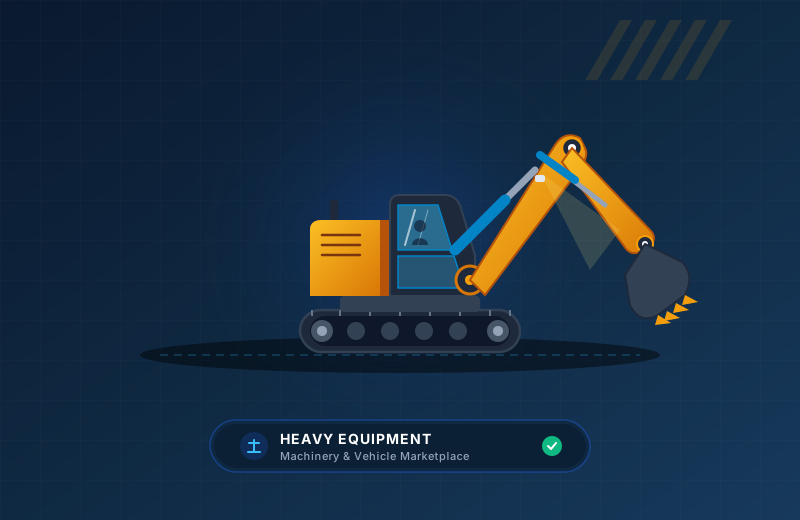
A hydraulic excavator is a heavy construction machine consisting of a boom, dipper (or arm), bucket and cab on a rotating platform known as the house. The house sits atop an undercarriage with tracks or wheels.
Key Components
- Boom & Arm — the two-part linkage that positions the bucket with precision.
- Bucket — available in multiple sizes for digging, grading or demolition work.
- Hydraulic System — pumps and cylinders convert engine power into lifting force.
- Rotating House — allows a full 360° working range.
How the Hydraulics Work
Diesel engine power drives hydraulic pumps that push oil through valves into cylinders. Extending the cylinders moves the boom and arm, multiplying force many times over. This is why even a mid-size excavator can lift several tons.
Common Configurations
- Crawler excavators — best for soft, uneven ground.
- Wheeled excavators — faster on paved surfaces.
- Mini excavators — ideal for confined spaces and utility work.
Choosing the right configuration depends on ground conditions, job-site access and digging depth requirements.